




Uganda announced a series of temporary restrictions on transport links with the Democratic Republic of Congo on Wednesday, citing the risk of cross-border Ebola transmission after new cases were reported in eastern DR Congo.
The measures were approved on May 21, 2026, following a meeting of the National Health Emergency Task Force chaired by Ugandan Vice President Jessica Alupo, according to Ugandan media reports.
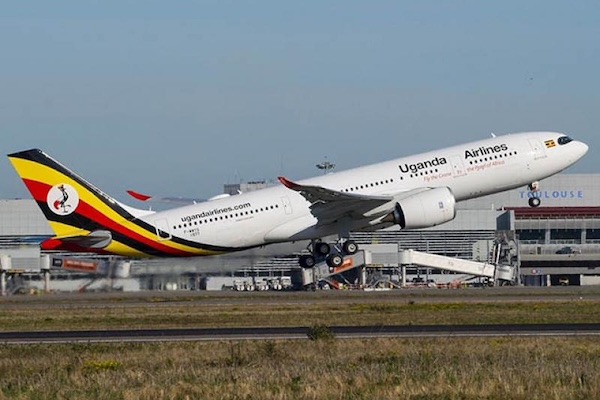
Under the measures, Kampala plans to suspend all direct flights between Uganda and DR Congo within 48 hours. Authorities also suspended cross-border public road transport and passenger ferry services on the Semuliki River for an initial four-week period.
Freight traffic and the movement of essential goods will continue, however, to prevent supply disruptions. Ugandan authorities also ordered the temporary suspension of certain weekly markets in border areas, along with cultural gatherings likely to attract large crowds in districts near Congo.
At the same time, health surveillance systems are being reinforced at border entry points and in high-risk districts. The measures include enhanced screening, contact tracing, expanded isolation capacity and patrols aimed at curbing uncontrolled border crossings.
Regional travel curbs
The restrictions come after Uganda confirmed imported cases linked to the outbreak declared in eastern DR Congo. Ugandan authorities described the measures as temporary and preventive.
Amid tensions with DR Congo, Rwanda has also imposed restrictions. Several international media outlets reported that the border between Goma, controlled by AFC/M23 rebels, and Rwanda had been closed.
The United States has also barred entry since May 18 to any non-American citizen or permanent resident who has been in DR Congo, Uganda or South Sudan during the previous three weeks. The measures have drawn criticism from Africa CDC.
“Broad travel and trade restrictions are not the solution to outbreaks,” the pan-African health agency said, calling instead for stronger regional coordination and improved local health capacity.
Africa CDC also warned about the economic impact that widespread travel and movement restrictions could have across the region.
On Friday, WHO Director-General Tedros Adhanom Ghebreyesus published updated outbreak figures showing 82 confirmed cases, seven confirmed deaths, nearly 750 suspected cases and 177 suspected deaths.
An official report released on May 20 had recorded 64 confirmed cases and six confirmed deaths. The latest figures show 18 additional confirmed cases and one more death over two days.
Ronsard Luabeya