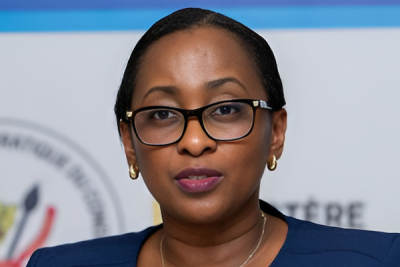






Democratic Republic of Congo’s Minister of Youth and Patriotic Awakening, Grace Kutino, has presented the “Carte Avantage Jeune RDC” project to a panel of companies and partners, the ministry said in a statement on April 15, 2026.
The initiative aims to provide young people with everyday benefits through a network of partner companies.
Targeted sectors address several priority needs. In healthcare, the project offers discounts on medical consultations and easier access to essential medicines. In transport and mobility, it provides for preferential rates on public and private services. The employment and entrepreneurship component includes access to internships and job opportunities, discounts on selected professional services, and support for business creation through coaching and mentoring.
The ministry said companies are invited to join the program and specify the benefits they will offer, such as discounts, cashback, services or experiences. They are also expected to progressively integrate into a partner network supporting the rollout of the system.
The Congolese project follows a model already implemented in Côte d’Ivoire. Officially launched in December 2025, the “Carte Jeunes” targets people aged 15 to 40 and provides access to benefits across sectors including telecommunications, transport, commerce, education, training and leisure, through both a physical card and a mobile application. That experience suggests the model’s success depends largely on sustained private-sector participation and the provision of simple, tangible benefits.
In the DRC, the initiative remains at a preparatory stage. A memorandum of understanding was signed in early April 2026 between the ministry and Gravity Group Ind. LLC, a subsidiary of Toppan Security, to support the system’s development. The company specializes in the production and personalization of secure documents, including identity cards, bank cards, transport tickets and SIM cards.
At this stage, the “Carte Avantage Jeune RDC” remains under development. Its success will depend on companies’ effective participation, the quality of the benefits offered, and the government’s ability to build a credible partner network targeting young people.
Timothée Manoke