




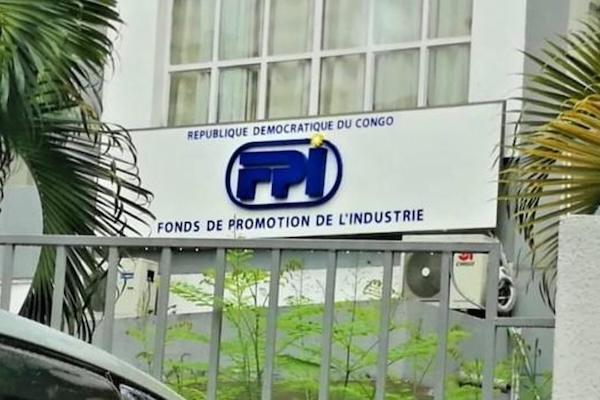
Fonds de promotion de l'industrie (FPI), DRC’s state-run industrial development fund, holds a bad-debt portfolio worth nearly $300 million, according to a note presented at an April 10, 2026 cabinet meeting by interim Industry Minister Justin Kalumba Mwana-Ngongo.
The figure is roughly double the level recorded in 2019, when former Industry Minister Julien Paluku cited more than $150 million in outstanding debt.
Government calls for support
At the cabinet meeting, ministers were told that support across government was needed to accelerate debt recovery, which officials described as critical to financing major infrastructure projects. The minister proposed setting up a special commission to classify debtors based on their willingness to repay, negotiate out-of-court settlements, pursue enforcement actions with law enforcement support, and recommend asset-freeze measures against insolvent debtors, according to the cabinet readout.
The minister also asked the FPI’s board to commission an audit of the bad-debt portfolio to develop a more effective recovery strategy and identify internal weaknesses. These may stem from weak organizational structures, skills gaps, or entrenched informal practices in allocating resources to project developers, the readout said.
KPMG contract and new ERP system
On April 2, 2026, the FPI awarded consulting firm KPMG DRC a contract to review and restructure its loan portfolio to improve asset quality and strengthen debt-recovery mechanisms.
On April 8, the FPI launched an integrated management system (ERP) in Kinshasa, describing it as a tool to modernize operations. According to an official statement, the platform covers loan management, disbursement and project tracking, debt recovery, and administration of the Taxe de promotion de l'industrie (TPI).
The FPI’s broader challenge is to restore its lending capacity as rising unpaid debt continues to constrain funding for new industrial projects. The cabinet reviewed the minister’s briefing amid growing pressure to secure resources earmarked for industrialization.
Timothée Manoke