




The United States has renewed the African Growth and Opportunity Act (AGOA), extending the program until Dec. 31, 2026. According to the Office of the United States Trade Representative (USTR), President Donald Trump signed the legislation on Feb. 3. The extension applies retroactively from Sept. 30, 2025, the date on which the previous authorization expired.
The renewal maintains preferential access to the U.S. market for eligible African countries, including the Democratic Republic of Congo (DRC).
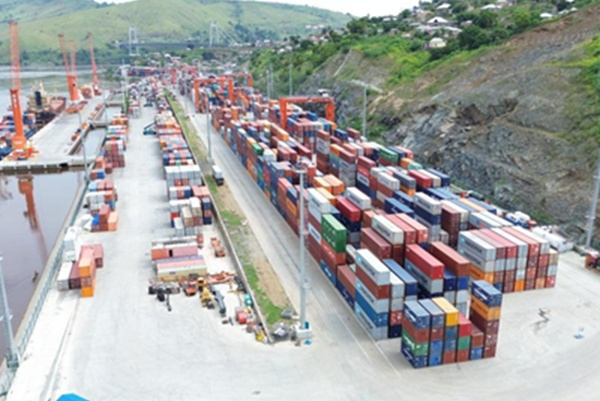
The decision comes amid a sharp surge in Congolese exports to the United States in 2025. Between January and July, exports reached $1.3 billion, exceeding the combined total of the previous eight years. More than $1 billion worth of goods were shipped between April and July alone, with monthly exports peaking at nearly $400 million in June.
Momentum, however, weakened in the second half of the year. Exports fell to $86.9 million in September, dropped further to $12.3 million in October, and then rebounded modestly to $38.2 million in November. December data are not yet available.
Even so, 2025 is shaping up to be a record year in bilateral trade. Congolese exports to the United States are approaching $2 billion, generating an estimated trade surplus of $1.6 billion.
Trade diversion?
In July 2024, the Congolese government adopted a national strategy to boost exports to the United States under AGOA. The plan aims to raise bilateral trade to between $3 billion and $5 billion over the 2025-2030 period.
The strategy targets 26 sectors. These include 21 non-mining industries such as coffee, cocoa, palm oil and pineapple, as well as five mining sectors: copper, diamonds, gold, cobalt and the so-called 3Ts, cassiterite, wolframite and coltan.
However, the strategy alone does not fully explain the recent surge. The United Nations Economic Commission for Africa (UNECA), which has also observed rising exports from other African countries to the United States, attributes the trend to strong U.S. demand for African raw materials and trade diversion effects. The timing of these increases, coinciding with the escalation of the U.S.-China trade war, supports this analysis.
To sustain the momentum, the Ministry of Foreign Trade has reminded exporters of the requirements for accessing the U.S. market. These include compliance with quality and certification standards, notably those of the Food and Drug Administration, adherence to the Congolese Control Office’s regulations, and packaging requirements. The ministry also encourages exporters to use the Congolese diaspora in the United States as commercial intermediaries.
Boaz Kabeya