




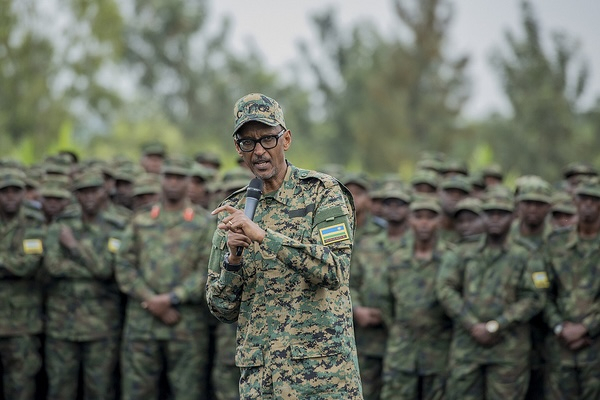
The U.S. Department of the Treasury on Monday imposed sanctions on the Rwanda Defence Force (RDF) and four senior military officials, accusing them of supporting the March 23 Movement (M23) rebel group in eastern Democratic Republic of Congo.
The sanctions were announced by the Treasury’s Office of Foreign Assets Control (OFAC) as part of U.S. measures targeting those Washington says are undermining peace and stability in eastern Congo.
The Treasury said the Rwandan army provides direct military, logistical and technological support to M23, a rebel group under U.S. sanctions since 2013 and also subject to United Nations sanctions. It said the support had enabled M23 offensives and helped the group consolidate control in several parts of eastern Congo, including Goma and Bukavu, as well as Rubaya, a strategic mining hub.
U.S. authorities cited the deployment of advanced military equipment, including GPS jamming systems, air defence equipment and drones, and said Rwandan troops were present on the ground.
The Treasury said the operations were linked to serious human rights abuses committed by M23, including summary executions and violence against civilians.
The sanctions come after the Dec. 4, 2025 signing in Washington of the Washington Accords for Peace and Prosperity between Congo and Rwanda under U.S. mediation. The United States views continued offensives as inconsistent with commitments made under that agreement, according to the Associated Press.
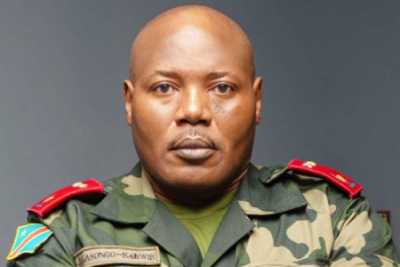
In addition to the RDF, the Treasury designated four senior officers: Vincent Nyakarundi, identified as army chief of staff; Ruki Karusisi, a major general; Mubarakh Muganga, chief of defence staff; and Stanislas Gashugi, described as a special forces commander.
Under the sanctions, all property and interests in property of the designated individuals and entities in the United States or in the possession or control of U.S. persons are blocked. U.S. persons are generally prohibited from engaging in transactions with them, and entities owned 50% or more by designated persons are also subject to the measures.
The Treasury said financial institutions and other businesses, including non-U.S. entities, could face sanctions if they engage in or facilitate transactions that violate or evade the restrictions. It said the measures are intended to change behaviour and that removal from the sanctions list is possible if conditions are met.
Rwanda’s government condemned the sanctions as “unjust” and accused Washington of taking a biased view of the conflict.
Boaz Kabeya