




The Democratic Republic of Congo will benefit from a new technical assistance project funded by the African Development Bank (AfDB) to help implement its National Energy Compact. The plan aims to raise the country’s electricity access rate from 21.5% to 62.5% by 2030.
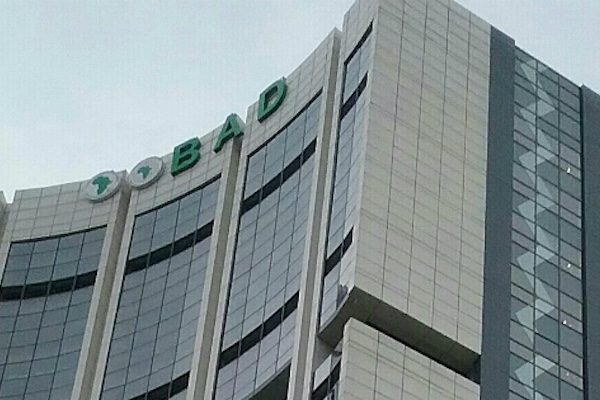
In a statement released on Jan. 30, 2026, the AfDB said its Board of Directors approved the $3.9 million project, which will run for two years. Known as “AESTAP Mission 300 - Phase II,” the initiative also covers several other African countries, including Chad, Gabon, Tanzania, Mauritania, Kenya, Nigeria, Madagascar, Ethiopia, Malawi, Lesotho, Namibia, and Uganda.
The project forms part of the second phase of Mission 300, a joint initiative with the World Bank that aims to connect 300 million Africans to electricity by 2030.
It will provide technical support to help turn national energy plans into real electricity connections for households, schools, hospitals, and businesses. The program also seeks to improve regulation, planning, and tariff-setting in the power sector, with the goal of unlocking investment and strengthening utility performance, including by reducing losses.
In addition, it includes capacity building in data, research, and knowledge-sharing through tools such as the Electricity Regulatory Index for Africa, as well as the organization of regional energy forums.
Technical advisors will also be assigned to the national units responsible for implementing and monitoring energy compacts, helping governments coordinate reforms and track progress. These units were established during the first phase of Mission 300.
Investments and Goals
In the DRC, the National Energy Compact targets an increase in electricity access from the current 21.5% to 62% by 2030, for a population of around 130 million. It also aims to expand access to clean cooking solutions to 30% by the same deadline.
To meet these objectives, the country will need to secure about $17 billion in public funding and $20 billion in private investment, bringing the total to nearly $37 billion. The financing is expected to support new generation, transmission, and distribution infrastructure, the rehabilitation of existing facilities, and the implementation of key sector reforms. A further $20 billion will be needed by 2040 to strengthen infrastructure over the longer term.
Ronsard Luabeya