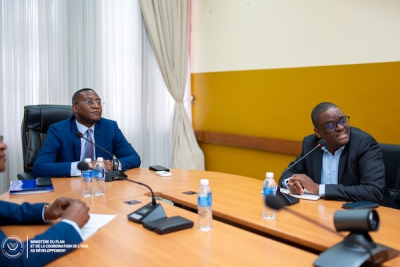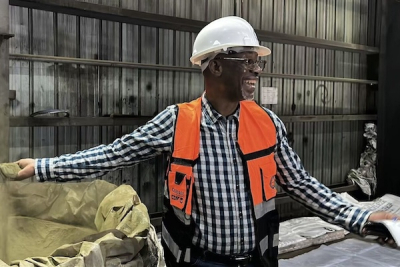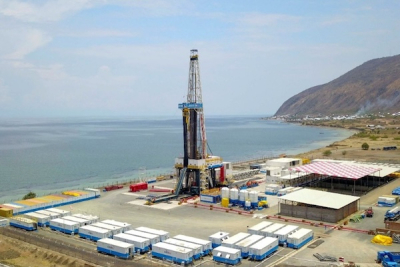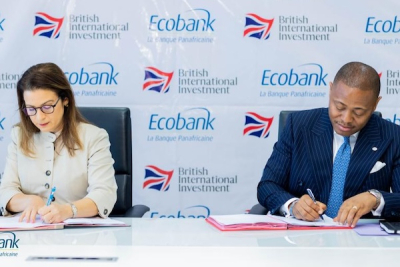





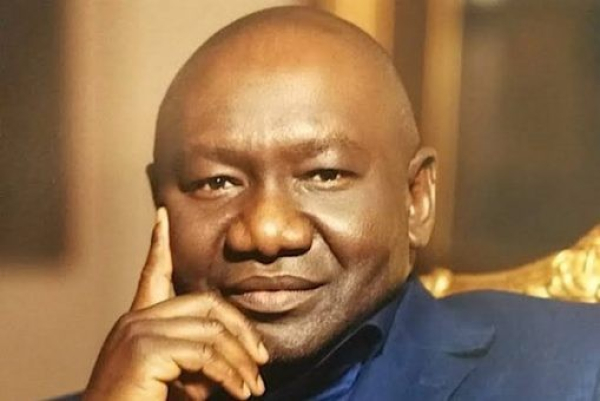
A memorandum of understanding for the redevelopment and modernization of the Port of Boma was signed on Feb. 7, 2026, between Peters Group Limited, the Ministry of Transport and the National Office of Transport (Onatra). Businessman Benedict Peters traveled to Kinshasa to sign the agreement.
The project comes amid renewed interest in the strategic port in Kongo Central province. Abu Dhabi Ports has also shown interest in Congolese port infrastructure, following a meeting on Nov. 16, 2025, between President Felix Tshisekedi and the United Arab Emirates’ Minister of State for Foreign Affairs, Sheikh Shakhboot Nahyan Al Nahyan. Discussions at this stage remain exploratory.
A final agreement between Peters Group and the Democratic Republic of Congo will depend on financing arrangements, technical studies and potential competition from other international investors.
If completed, the project would complement the Nigerian group’s mining operations in the DRC by adding a logistics and infrastructure component. Benedict Peters operates in the country through Bravura Congo S.A., a subsidiary that holds assets near the main logistics corridor in Kongo Central, about 200 kilometers from the Port of Boma, as well as in the Tanganyika mining basin.
According to the Mining Cadastre (CAMI), as of Sept. 30, 2025, Bravura Congo held four mining rights: an exploration permit in Tanganyika province, Manono territory, currently being converted into an operating permit; two quarry exploration authorizations in Kongo Central province, Songololo territory, in the process of being converted into permanent operating permits; and one operating permit in Lualaba province, Lubudi territory.
Beyond the Nigerian investor’s interests, the port’s modernization would also benefit the city of Boma. “The port exists, but activity has collapsed, which means the city’s economy is struggling,” interim mayor Claudelle Phemba Kiadi told Top Congo FM in June 2025.
The Port of Boma received the vessel Apalos, operated by Maersk Congo, on Oct. 7, 2025, raising hopes of a revival in commercial activity after several years of low traffic. Heavily reliant on used vehicle imports, the port had experienced a decline in traffic following successive changes in regulations governing the age of imported vehicles, with knock-on effects on the local economy.
Timothée Manoke