




The Democratic Republic of Congo (DRC) is among six African countries selected for pilot projects aimed at developing affordable 4G smartphones. The initiative is led by the GSMA, the global association representing mobile network operators and industry players, and organizer of the Mobile World Congress (MWC) in Barcelona.
Announced during MWC 2026, the project also involves Ethiopia, Nigeria, Rwanda, Tanzania and Uganda. These countries will serve as test markets for entry-level smartphones priced between $30 and $40, with the aim of reducing one of the main barriers to digital adoption in Africa: the cost of devices.
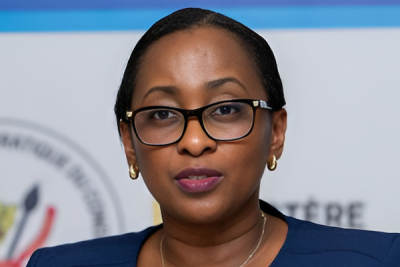
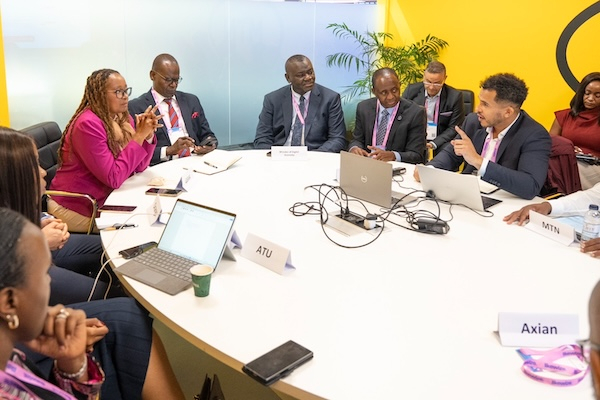
The initiative was discussed during a roundtable held on March 2 at MWC 2026. The Congolese Minister of Digital Economy, Augustin Kibassa Maliba, said he attended the meeting. According to a statement from the ministry, the GSMA is advocating for a coalition of governments, telecom operators and manufacturers to lower smartphone prices.
The ministry also mentioned a proposal to reduce taxes on entry-level smartphones, potentially shifting part of the tax burden toward higher-end devices.
Bridging the digital gap
According to the Regulatory Authority of the Post and Telecommunications of Congo (ARPTC), mobile penetration in the DRC reached about 65% at the end of September 2025, while mobile internet penetration stood at just over 32%. The gap suggests that network coverage is expanding faster than smartphone adoption, largely due to low purchasing power.
The Minister of Digital Economy said lower device prices could expand the user base, boost data consumption and ultimately increase revenue from digital services.
ARPTC data show that mobile internet is gaining weight in the telecom sector. In the third quarter of 2025, the segment generated more than $335 million and accounted for nearly 55% of total mobile market revenue.
However, the initiative’s impact remains uncertain. Its success will depend on several factors, including the level of taxes applied to devices, manufacturers’ ability to meet price targets amid rising component costs, and the speed of commercial rollout in pilot countries.
Augustin Kibassa Maliba said the government plans to work with relevant ministries and telecom operators to develop a balanced fiscal framework aimed at expanding digital access without reducing government revenue.
For the DRC, the challenge will now be to translate its inclusion in the African pilot program into concrete measures on pricing, distribution and effective access to mobile internet.
Timothée Manoke