




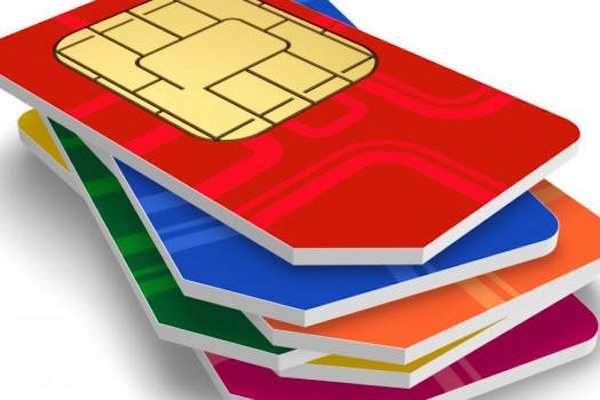
The Democratic Republic of Congo is considering limiting the number of SIM cards an individual can hold, as part of efforts to curb crime linked to telecommunications services. The proposal was discussed at the government’s 86th cabinet meeting on April 10, 2026.
According to an official statement, a working session brought together security officials, the Ministry of Posts and Telecommunications, the telecoms regulator ARPTC, and operators. Officials said the analysis showed widespread use of telecom services by criminal networks.
Until a national identification database is fully operational, the government said it would adopt “urgent and practical” measures. These include stricter ID requirements for SIM purchases, a cap on the number of SIM cards per person, a nationwide SIM registration and awareness campaign extending to rural areas, and specific rules for identifying foreign users.
The move comes amid persistent irregularities in SIM card sales. At many retail outlets, cards are sold using pre-registered identities, meaning buyers often use lines not registered in their name.
To comply with regulations, affected users must visit operator agencies with valid ID to update their details. As a result, many subscribers remain poorly registered, making it harder to trace communications. By late March 2026, authorities were already working to ban pre-registered SIM cards and strengthen re-registration.
The reform affects a large market. As of end-September 2025, the DRC had 73.28 million active mobile subscriptions, with a penetration rate of 65.3%. Mobile internet penetration stood at 32.2%, based on an estimated population of 112.2 million, according to ARPTC.
No detailed regulation has yet been issued specifying a cap per subscriber. The government has so far outlined its approach: improve user identification and reduce anonymity in telecom services to strengthen public security.
Boaz Kabeya