




The United Nations Capital Development Fund has launched a call for expressions of interest to identify and support companies and financial institutions operating in the clean energy sector in the Democratic Republic of Congo. The initiative is part of the "Sustainable Energy 2" program (2026–2030), which aims to accelerate the energy transition while reducing dependence on wood energy, the main driver of deforestation in the country.
The call targets a broad range of actors, including small and medium-sized enterprises, large companies and financial institutions such as banks, microfinance institutions and other intermediaries that provide financing to households and small businesses.
Selected projects may receive funding of between $500,000 and $10 million, depending on their stage of development, viability and impact. The financing structure relies on tailored financing structures combining concessional debt, guarantees and, in some cases, investment grants to complement other instruments. Funding may be granted directly to companies or passed through financial institutions responsible for lending to final beneficiaries.
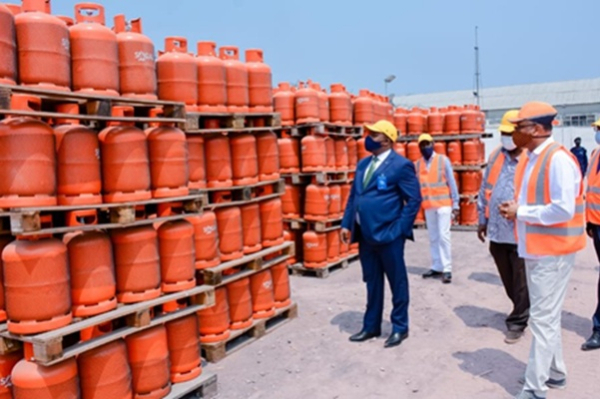
The program prioritizes value chains such as liquefied petroleum gas, electrification, notably through solar or micro-hydroelectric solutions, as well as improved cookstoves and sustainable charcoal production.
Beyond direct project financing, UNCDF also intends to support local financial institutions to reduce lending risks, thereby facilitating the adoption of clean energy solutions.
Selection Process
Applicants must be legally established in the DRC, demonstrate at least three years of operations and demonstrate measurable environmental and social impact, particularly in terms of emissions reductions and efforts to combat deforestation.
The selection process includes several stages, from pre-screening to in-depth due diligence, before making a final investment decision. Applications will be reviewed in batches, with periodic deadlines set for May 15, June 15, July 15 and Aug. 15, 2026, until funds are fully allocated.
The initiative is part of a broader strategy to transform the Congolese energy mix. In the DRC, more than 90 percent of households still rely on wood or charcoal for cooking, with direct consequences for deforestation and public health.
In Kinshasa, the penetration rate for liquefied petroleum gas remains limited to around 14 percent, covering approximately 250,000 households. The government aims to raise that figure to 1.2 million by 2030, partly relying on innovative financing mechanisms such as the one proposed by UNCDF.
Ronsard Luabeya