




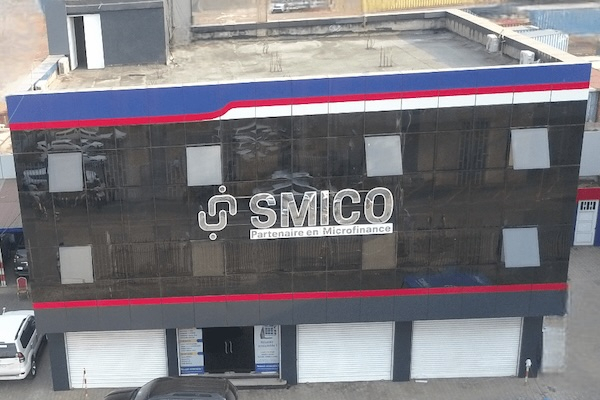
DR Congo's microcredit institution SMICO closed 2025 with a net loss, even as its core operations remained profitable. Surging loan-loss provisions tied to the security crisis in eastern Democratic Republic of Congo overwhelmed an otherwise positive operating result, according to the institution's Pillar III report.
Provisions reached 29.87 billion Congolese francs in 2025, up from 8.47 billion the previous year, a rise of roughly 253%. The increase reflected a sharp deterioration in the loan portfolio at its branches in Goma, Bukavu and Uvira, three cities affected by the ongoing conflict. Beyond standard provisions, SMICO also set aside an exceptional reserve to cover anticipated future risks arising from the situation.
Operating profit held at 8.99 billion francs, but was insufficient to absorb the credit-risk charges. The institution recorded a net loss of 6.53 billion francs for 2025, reversing a net profit of 6.01 billion francs in 2024. SMICO said it chose to strengthen its balance sheet to lay the groundwork for a return to profitability in 2026.
Business activity contracts
The crisis also drove a sharp contraction in the balance sheet. Total assets fell 40%, to 93.12 billion francs from 154.19 billion in 2024. The gross loan portfolio declined 31%, to 69.96 billion francs from 101.78 billion.
Customer deposits dropped to 64.62 billion francs from 110.49 billion, a contraction of 42%. SMICO attributed the decline to mass withdrawals in conflict-affected areas and transfers to commercial banks in other cities.
The share of the Goma, Bukavu and Uvira branches in total lending fell sharply. Those three branches accounted for 44% of SMICO's loan portfolio at end-2024. By end-2025, their share had dropped to 22%, with the remaining 78% held by branches outside the directly affected zones.
That shift reflects a deliberate strategy to reduce exposure to conflict areas, but it came alongside a severe deterioration in loan quality at the three branches. The share of loans more than 30 days past due there rose to 32.4% in 2025 from 3.8% in 2024.
Across the full network, loans more than 30 days overdue stood at 10.43% of the portfolio at end-2025, up from 3.69% a year earlier, well above the prudential threshold of 5%. Branches not directly exposed to conflict-related disruptions posted a rate of 3.9%, which SMICO said was within prudential limits.
Adaptation measures
To limit the impact of the crisis, SMICO cut certain costs. General operating expenses fell to 7.36 billion francs from 9.72 billion in 2024, and staff costs declined to 6.60 billion from 7.76 billion.
The crisis also forced organizational changes. SMICO said it relocated its head office to Lubumbashi in February 2025. The report also noted that 21 staff members were placed on temporary leave because normal operations in Goma, Bukavu and Uvira had become impossible.
Despite those pressures, SMICO maintained a network of 10 branches and reported 92,081 clients at end-2025, up from 82,003 a year earlier. The institution's solvency ratio stood at 11.9%, above the regulatory minimum of 10%, though equity shrank as a result of the year's losses.
Looking ahead, SMICO said it intends to focus on financial resilience, disciplined geographic expansion, revenue diversification and digital transformation. The priority will be restoring profitability while reducing dependence on areas most exposed to insecurity.
The 2025 results highlight the vulnerability of microfinance institutions with significant activity concentrated in crisis zones. In SMICO's case, the war in the east did not simply weigh on commercial activity; it caused credit-risk charges to surge to the point of wiping out the year's positive operating result.
Pierre Mukoko & Timothée Manoke