





The Swiss group Mole, which specializes in agricultural commodity trading, launched a preparatory phase on Dec. 11, 2025, to secure land for the construction of the Mbanza-Ngungu agro-industrial park in Kongo Central. The project spans more than 105,000 hectares, including 85,000 hectares of arable land, and represents an estimated investment of $1 billion.
For the developers, land acquisition is the most sensitive stage of the project. Although the Democratic Republic of Congo has more than 80 million hectares of arable land, less than 10% of which is currently exploited, access to land remains one of the main constraints on agro-industrial development. Key challenges include an unreliable land registry, customary and community disputes, legal inconsistencies, risks of land grabbing, lengthy and costly procedures, and weak institutional governance.
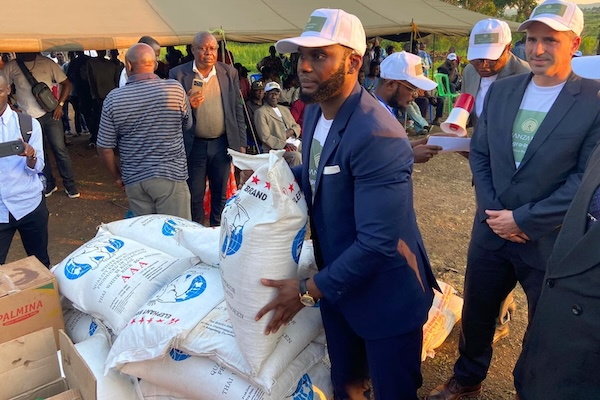
A launch meeting attended by customary authorities, civil society representatives, and technical and financial partners was held to inform local communities, particularly land rights holders, about the process. During the meeting, the Swiss group sought to reassure stakeholders. “No land will be used without the approval of its owner,” a company representative said.
Rights holders will be asked to sign a letter of commitment defining a non-binding framework for cooperation. The document authorizes technical studies, mapping, and land inventories, while guaranteeing communities the right to retain control over land-use decisions until a final sales contract is signed. The process also includes the establishment of a grievance management committee, negotiations on acquisition terms, and the eventual signing of a contract.
Mole Group has also committed to relocating people currently living on the site to new residential areas, integrating them into partner agricultural cooperatives, and granting them priority access to employment opportunities. “The aim is to ensure that everyone is fairly compensated and can benefit from the project’s returns,” said CEO Gandi Mole.
Under the public-private partnership agreement signed last October with the Ministry of Agriculture, land constitutes part of the state’s contribution to the project. “But to avoid any conflict, we wanted to proceed differently by involving local communities from the outset,” a source within the Swiss company said. The developers aim to secure 80% of the required land within six to eight months, a move intended to facilitate the government’s role in the process.
Once fully operational, the agro-industrial park is expected to produce 700,000 tonnes of finished products annually, including cassava, maize, and wheat flours, as well as sugar and rice. The project is projected to generate more than 20,000 direct and indirect jobs.
In addition to state support, the project is backed by international partners, notably Switzerland-based Bühler, which specializes in agri-food equipment and advanced materials, and Belgium’s De Smet Engineers & Contractors, known for its expertise in delivering turnkey agro-industrial plants.
Ronsard Luabeya