




A petroleum storage infrastructure project in the Grand Kasaï region has entered a new phase with the involvement of a private-sector partner.
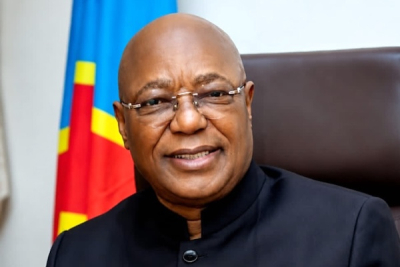
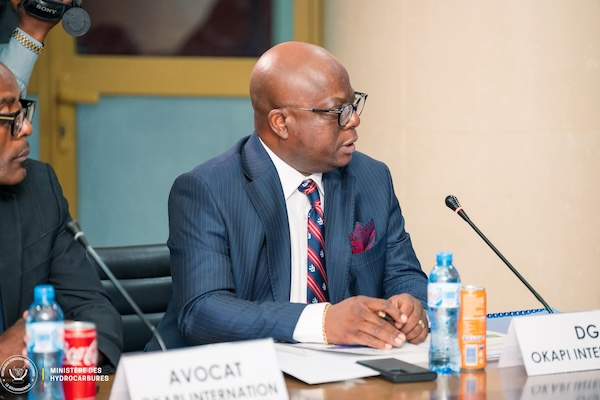
On April 28, 2026, Hydrocarbons Minister Acacia Bandubola chaired a meeting with a delegation from Okapi International, in the presence of the Public-Private Partnership Advisory and Coordination Unit (UCPPP).
UCPPP’s presence suggests the project is being structured as a public-private partnership. However, no timeline has been announced and no detailed financing framework has been made public. Okapi International’s director general, Simplice Mulumba, nonetheless expressed optimism about the project’s prospects.
Securing supply
As early as January 2026, a joint team from the ministries of Hydrocarbons and Land Affairs was sent to Grand Kasaï to assess potential sites for the infrastructure. Key locations include Kabeya Kamwanga, Ndomba and Mwene-Ditu. The mission confirmed the project’s land and logistical feasibility.
The project includes petroleum storage centres aimed at building local reserves and ensuring supply, as well as modular stations to facilitate distribution in landlocked areas and reduce the risk of shortages. The broader goal is to create an integrated logistics chain that brings fuel closer to consumption zones and reduces reliance on distant supply networks.
Okapi International is described in sector records as a company operating in downstream petroleum activities, particularly in distribution and supply chains. Its involvement points to logistics and operational solutions tailored to local constraints.
The initiative is part of the Hydrocarbons Ministry’s 2026 priorities, which include expanding storage capacity, building new logistics infrastructure and rehabilitating existing facilities. It also builds on earlier announcements on the creation of new storage centres across the country to improve energy security and fuel availability.
Grand Kasaï, encompassing Kasaï Oriental, Kasaï Central, Kasaï, Lomami and Sankuru, remains a landlocked region far from main supply corridors, including maritime ports and logistics hubs in Katanga. For several years, petroleum operators have highlighted challenges affecting distribution in the region, citing limited storage capacity, reliance on long and costly supply routes, deteriorating roads and weak logistics capacity.
As early as 2022, recommendations were made to address these issues, including building storage centres, developing service stations in remote areas, rehabilitating roads and waterways, and strengthening transport capacity, particularly rail.
Ronsard Luabeya