




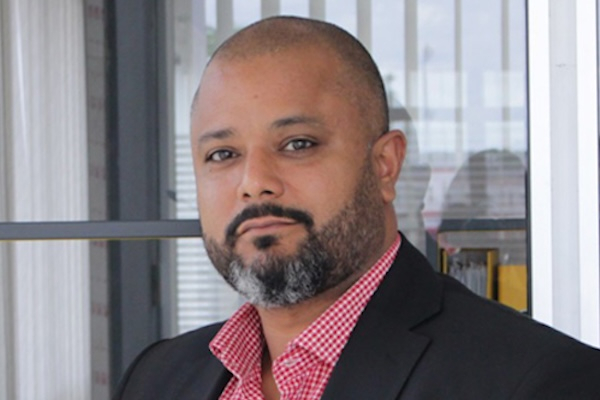
DRC President Félix Tshisekedi has appointed Baraka Kabemba as director general of state miner Gecamines, nearly three weeks after the first meeting of the Joint Steering Committee overseeing the strategic partnership between Kinshasa and Washington, held on Feb. 5 in Washington.
A chartered accountant, Kabemba will play a central role in implementing the partnership signed on Dec. 4, 2025. He contributed to the agreement as a member of the strategic coordination unit set up in May 2025 to oversee negotiations and execution.
Kabemba, who has pledged “total commitment,” takes over as Gecamines is expected to drive the agreement’s rollout. The company holds multiple mining permits and stakes in producing joint ventures, with the partnership focused on critical minerals.
Under the agreement, the DRC and its state-owned enterprises will use their marketing rights, based on existing holdings and contracts, to allocate offtake volumes to the U.S. market. U.S. companies and their partners are granted a right of first offer.
According to Innogence Consulting, Gecamines’ portfolio could enable it to channel up to 250,000 tonnes of copper, 12,000 tonnes of cobalt and 100,000 tonnes of zinc annually to the United States starting this year. The initiative has been under way for several months and is expected to continue under the new management team.
Governance
Gecamines has already secured agreements entitling it to market part of the output from its joint ventures. It is also working with commodity trader Mercuria to establish a mineral trading subsidiary. The initiative has drawn interest from the U.S. International Development Finance Corporation.
The agreement calls for greater transparency from state-owned enterprises, including a review of the beneficial ownership and management structures of state mining companies. It also requires broader disclosure of state holdings in mining projects.
Beyond production volumes, Gecamines is expected to make its capital structure and governance framework more transparent and investor friendly, particularly for partners linked to the U.S. strategic initiative. American companies seeking exposure to Congolese mining assets may form joint ventures with the state miner.
Among 25 assets presented to potential investors, Gecamines has included several mines, notably Mutoshi, operated by Chemaf. The copper and cobalt producer has been heavily indebted and up for sale since 2023, though a transaction has yet to be finalized. Former Gecamines chairman Guy Robert Lukama publicly expressed interest in the asset and reportedly considered a resale while retaining up to a 25% stake, according to Bloomberg.
Another Congolese company, Buenassa, has proposed integrating Mutoshi into a broader refinery project to accelerate vertical integration from extraction to refining, trading and strategic storage. Lukama reportedly showed limited interest in that proposal. With the leadership change, Gecamines’ position on the asset is now under scrutiny.
Big Four background
Kabemba’s profile is likely to reassure investors. A business engineer specializing in financial management and a graduate of ICHEC in Brussels, he is a certified chartered accountant with more than 22 years’ experience in audit and consulting at major international firms.
He began his career at PricewaterhouseCoopers in Belgium in 2001 and joined Ernst & Young in 2012, becoming partner in charge of consulting for Central Africa, covering CEMAC and the DRC, in 2021. Ernst & Young has previously advised Gecamines.
Running the country’s largest mining company, however, requires more than technical expertise. It also demands political acumen. Observers say that dimension may rest more with Deogratias Ngele Masudi, who was appointed chairman of the board on the same day. A former secretary general of Gecamines until 2021 and former justice minister, he is familiar with the company’s internal dynamics.
Reviving Gecamines, which Mines Minister Louis Watum Kabamba has said should evolve from a holding structure into an operational mining company, will require balancing technical reform with political management, particularly on governance.
Pierre Mukoko & Ronsard Luabeya