





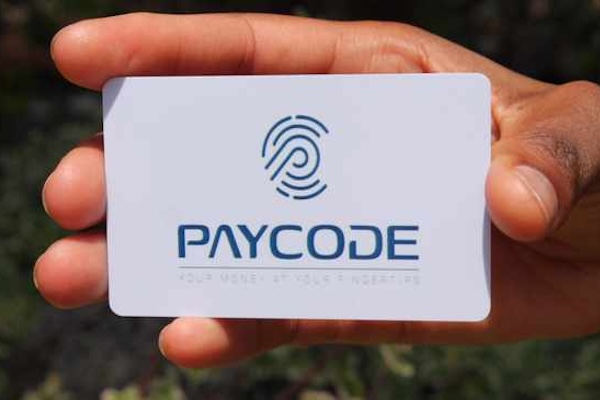
Paycode Fintech Congo has signed an agreement with two industry associations to lead the technical rollout of a digital microfinance platform in the Democratic Republic of Congo, under a World Bank-supported initiative known as the Transforme project.
The accord, signed on April 15, 2026, in Kinshasa, brings together the local subsidiary of Paycode, an African fintech specializing in digital payments and biometric identity, the Association nationale des institutions de microfinance (ANIMF) and the Association professionnelle des coopératives d'épargne et de crédit (Aprocec).
The agreement builds on a contract signed in February 2025 between the Transforme project and a consortium comprising Paycode Fintech Congo, Banktech Software Services Limited and Hong Kong Top Wise Communications. That contract covers the digitization of the microfinance sector and the supply of 10,000 payment terminals; financial terms were not disclosed.
Scope of the Platform
According to a statement from the Transforme project, the initiative aims to modernize microfinance institutions (MFIs) and savings and credit cooperatives (COOPECs) while integrating them into the formal financial system. The agreement mandates Paycode to handle the operational and technical implementation of an integrated platform.
The platform is expected to include a core banking system, an enterprise resource planning (ERP) solution, a card payment module and the issuance of Mosolo payment cards. The goal is to enable MFIs and COOPECs to connect to the national payment switch, a key step toward their integration into the formal financial system and the broader adoption of electronic payments.
The solution will rely on a full technology stack including servers, storage capacity, security devices and telecommunications networks. Paycode will also provide hosting, systems maintenance, user training and merchant onboarding to support local adoption of the tools.
As part of this framework, the company is developing the e-Dapt platform, designed to address the specific challenges of the Congolese market. It is expected to support bulk payment processing, batch clearing and settlement, as well as real-time offline transactions via biometric cards suited to areas with limited connectivity.
Terminal Deployment
The project also calls for the deployment of 10,000 electronic point-of-sale terminals across the DRC's 145 territories. The devices will incorporate biometric identification solutions and will be paired with multi-application cards compliant with EMV standards (Europay, Mastercard and Visa).
According to the Transforme project, the initiative is expected to improve access to financial services, formal savings and credit for small and medium-sized enterprises, particularly in trade, agriculture and services. It is also part of a national strategy to reduce cash usage in favor of electronic payments.
The DRC's financial inclusion rate has risen from 38.5% in 2022 to 50% currently, an increase largely driven by the rollout of mobile payment solutions. This trend aligns with the implementation of the National Financial Inclusion Strategy 2023-2028, adopted in July 2023, and is supported by efforts to strengthen payment infrastructure and instruments.
Ronsard Luabeya