





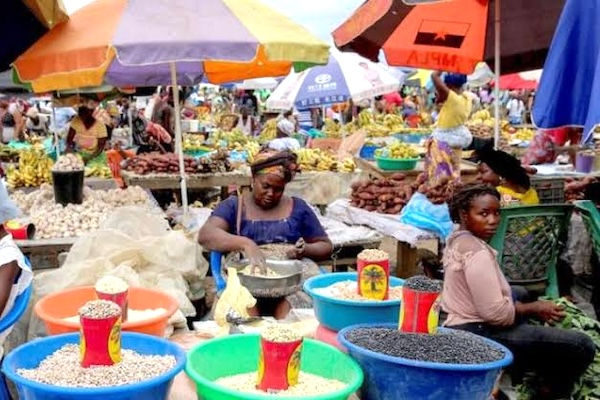
Provincial authorities in Tshopo province have suspended for 60 days the collection of certain taxes, duties and fees applied to the transport and sale of staple food products. The measure covers rice, maize and cassava.
Announced in mid-June, the decision comes amid mounting pressure from the rising cost of living in Kisangani and several other parts of the province. It is intended to reduce costs borne by businesses and help stabilize prices in local markets.
According to information reported by Actualité.cd, the suspension covers several levies applied to the rice trade, including packaging fees, a provincial tax and stamping charges. Businesses had regularly criticized these costs for raising the expense of bringing rice to market.
Rice Prices
The measure comes as the price of white rice has risen sharply in Kisangani. A 100-kilogram sack now sells for more than 800,000 Congolese francs, compared with about 300,000 to 350,000 francs previously, according to estimates cited by civil society actors. This represents an increase of between 128% and 167%, depending on the reference price used.
The surge has been attributed to several factors. The deterioration of agricultural access roads, particularly on routes linking the Opala territory to Kisangani, is frequently cited as one of the main causes. Opala is considered one of the province's major rice-producing areas, but transporting harvests to major markets remains difficult.
Other factors have also been cited by local stakeholders, including bureaucratic obstacles, fees collected throughout the supply chain, logistical constraints and speculation. The temporary suspension of taxes is therefore being presented as an emergency measure, but it does not by itself resolve the sector's structural problems.
Partial Measure
The provincial government has emphasized the temporary nature of the decision. Authorities said they intend to work with government economic departments, agricultural stakeholders and commercial operators to identify more durable solutions to supply difficulties and market pressures.
During a meeting held on June 13 in Kisangani, provincial authorities, economic and agricultural agencies, and operators in the rice industry examined the causes of rice shortages and rising prices. Discussions focused in part on prospects for improving supply through the resumption of harvests in Banalia and the launch of the Season B agricultural campaign in Opala.
On the private sector side, some importers, including Socimex and Alimentation Shekinah, announced the imminent arrival of new rice shipments. These supplies are expected to increase availability in the Kisangani market and could help ease price pressures in the coming days.
The Tshopo representation of the Federation of Enterprises of the Congo nevertheless considers the measure incomplete. It said the suspension of taxes would produce lasting effects only if accompanied by efforts to improve access to production areas, rehabilitate agricultural roads and reduce other costs borne by operators.
Ronsard Luabeya