




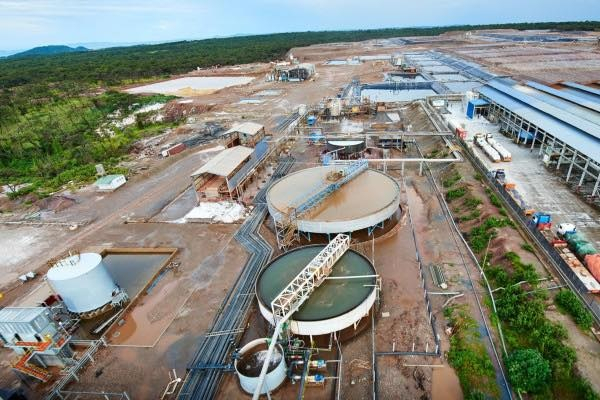
The Congolese government has unveiled a plan to retake control of a mining concession in Kakanda, in Lualaba province, after a landslide killed 11 people on the night of March 10-11, 2026. The site belongs to Boss Mining, a subsidiary of Eurasian Resources Group (ERG), and has been occupied by illegal miners.
In a statement dated March 17, authorities announced a series of measures focused on evacuating the site, relocating artisanal miners and securing the concession.
The plan includes identifying and gradually relocating artisanal miners to designated artisanal mining zones, known by their French acronym ZEA, to move them away from industrial concessions. The process will be overseen by SAEMAPE, the state agency responsible for supporting and supervising artisanal and small-scale mining, in coordination with provincial authorities.
“This arrangement is intended to provide legitimate operators with legal and safe working conditions outside industrial areas, while ensuring ongoing technical and security support from state services,” the mines ministry said. The goal is to restore Boss Mining’s full rights over the concession (PE 469). Authorities added they would take the necessary steps to fully secure the site, allowing industrial operations to resume once illegal activity has been cleared.
ERG’s concessions have faced repeated incursions by illegal miners for several years. The Boss Mining site was overrun after the company suspended operations in 2023 following a series of incidents. According to the company, these incursions can involve more than 200 trucks per day transporting copper and cobalt, resulting in estimated losses of $1.8 million daily.
In response, ERG signed a memorandum of understanding on Feb. 10, 2026, with Entreprise Générale du Cobalt (EGC). The agreement aims to formalize artisanal mining through supervised zones, traceability systems and improved working conditions, while keeping this production separate from industrial supply chains.
Restoring state authority
Authorities acknowledge the scale of the problem, which has reached the highest levels of government.
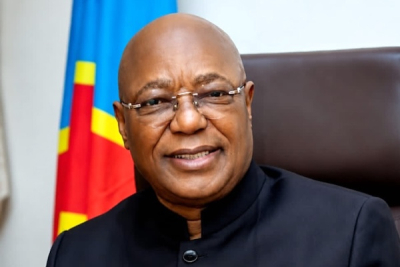
“Artisanal mining is becoming a serious problem. Many of our compatriots working as artisanal miners are dying. There is also the invasion of industrial sites, which damages the DRC’s image abroad and raises concerns about its ability to protect investments. We are very concerned about this situation. These issues are being addressed at the highest level, and we are confident that solutions will be found,” Jean-Marie Kanda, President Félix Tshisekedi’s senior adviser on mining, said in a podcast by consultancy Innogence Consulting released in January.
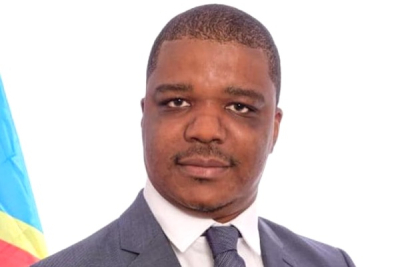
Mines Minister Louis Watum Kabamba, who has repeatedly been urged to act, said he is working on the issue alongside the interior ministry to restore state authority. Illegal operators are widely believed to have the backing of senior political figures and members of the security forces. The issue was recently discussed at a meeting of the Mining Fraud Commission, which brought together both ministries.
In its March 17 statement, the mines ministry reaffirmed its commitment to ending illegal mining and accelerating the formalization of the artisanal sector. It said processing entities that sourced minerals from illegal sites remain suspended and that the case has been referred to the judiciary to prosecute those involved in illicit mining.
However, some measures have been slow to materialize. The identification of 64 ZEAs in Lualaba, announced in November 2025 following a fatal accident at the Kalando site, had not been completed as of February. According to Mining Registry Director General Popol Mabolia, only around ten zones had been identified at that stage, and these still needed to be made operational before being allocated to cooperatives and artisanal miners.
Pierre Mukoko & Boaz Kabeya