




The Democratic Republic of Congo has issued its first dollar-denominated Treasury bond, a two-year instrument, just weeks after completing its debut Eurobond.
According to a communiqué dated May 12, 2026, the offering sought $70 million and closed at an annual rate of 8%, drawing $86.6 million in bids — $16.6 million above the target amount. The bid-to-cover ratio stood at 123.7%, indicating that investor demand exceeded the Treasury's initial supply.
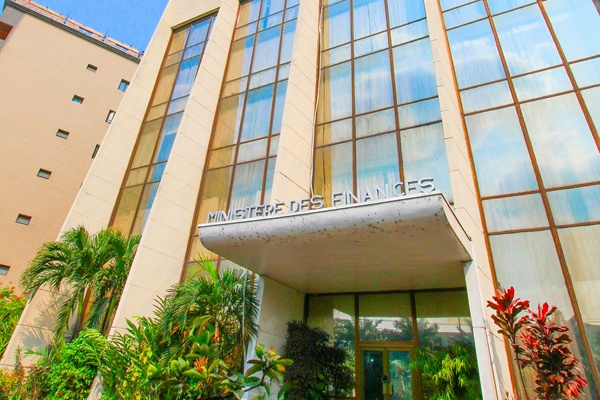
The Finance Ministry said the auction also reflected an improvement in the terms available to the Congolese state on the domestic market. The maturity was extended from 18 months to two years, while the interest rate fell to 8% from 9%. In other words, the Treasury was able to borrow for a longer period at a lower cost than on comparable previous issuances.
A first dividend from the international markets
Kinshasa presented the result as one of the first effects of its entry onto international capital markets. In April 2026, the DRC completed its first sovereign international issuance, raising a total of $1.25 billion with the support of Citigroup, Rawbank and Standard Chartered. That transaction attracted more than $5 billion in demand, over four times the amount raised.
The Finance Ministry's reading echoes statements made in April by Central Bank of The Congo Governor André Wamesso, who said the success of the Eurobond could help develop the local financial market by stimulating long-term savings and bond issuances, including by Congolese companies.
Those signals have yet to be confirmed. A single successful auction is not enough to establish a lasting trend. The Eurobond prospectus notes that the DRC remains exposed to several risks: dependence on minerals, conflict in the east, fiscal pressures, domestic arrears, vulnerabilities related to money laundering and sanctions, and still-fragile access to international markets.
The authorities did not disclose the investor profile of participants in the May 12 auction. The ministry noted, however, that the public securities market remains open to both bank and non-bank investors, with the latter able to participate in auctions through their custodian banks.
Boaz Kabeya