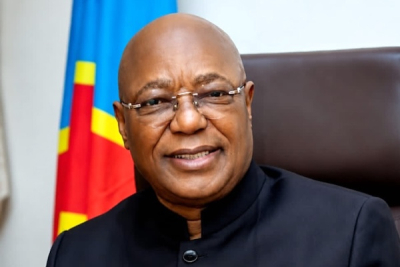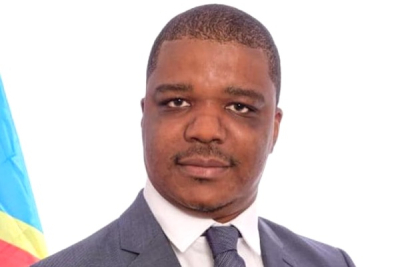





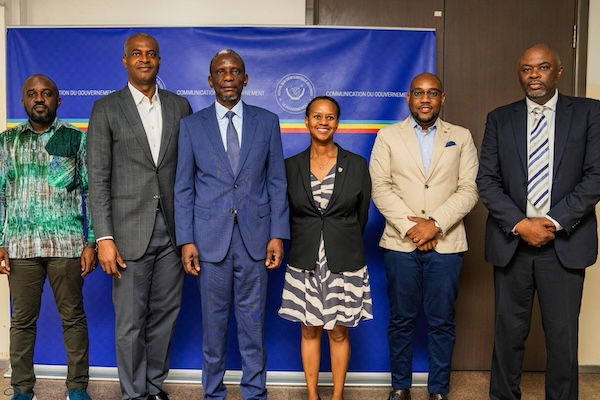
South Africa’s Standard Bank Group is exploring new infrastructure investment opportunities in the Democratic Republic of Congo. A delegation from the financial institution met with the Congolese Minister of Infrastructure and Public Works, John Banza Lunda, in Kinshasa on March 6, 2026, according to a ministry statement. The meeting follows an initial exchange held on February 24, 2026, in Cape Town on the sidelines of the African Markets Conference, an event organized by Standard Bank focused on African markets.
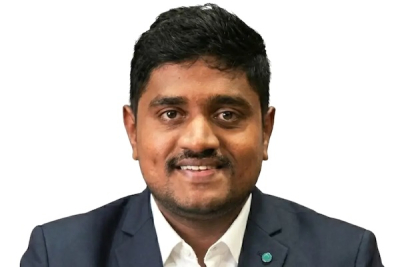
According to the Ministry of Infrastructure, discussions focused on financing mechanisms for structural projects, particularly in the transport, energy and economic infrastructure sectors, which are considered essential to support the country’s growth. Kayode Solola, head of global markets for African regions at Standard Bank, said the delegation’s mission to the DRC was aimed at examining the next steps for cooperation with Congolese authorities to support the national infrastructure development strategy.
In this context, the two parties discussed the possibility of establishing joint working groups, the ministry said. These teams would be responsible for identifying priority projects and assessing their feasibility ahead of any potential financing decisions.
The exchanges build on cooperation initiated in July 2025, when Prime Minister Judith Suminwa received a delegation from the banking group in Kinshasa. At the end of that meeting, Lungisa Fuzile, Chief Executive for Standard Bank’s Africa region, said the bank was interested in supporting the development of several infrastructure projects in the DRC. Discussions notably mentioned the Lobito Corridor, as well as projects in the road, energy and telecommunications sectors.
Standard Bank has operated in the Democratic Republic of Congo since 1992. It provides services in the country through its branches in Kinshasa and Lubumbashi, as well as through a network of local intermediaries.
For the Congolese government, interest from the South African banking group aligns with a strategy to mobilize greater private and international financing to support infrastructure investment. The sector is considered one of the main drivers of the country’s economic transformation.
Ronsard Luabeya