




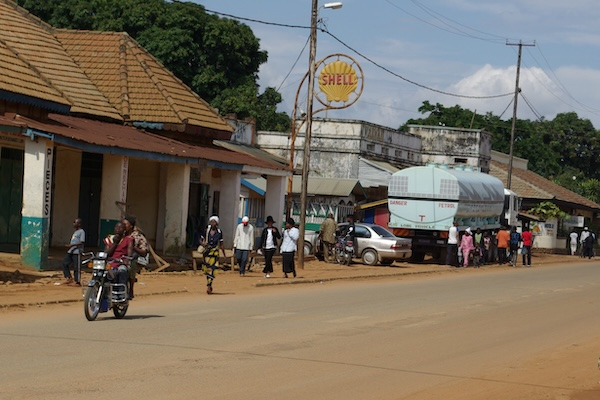
The city of Beni in North Kivu province has faced a fuel shortage since March 7, 2026, triggering a sharp rise in prices on the local market.
According to Radio Okapi, gasoline prices rose within hours from about 2,500 Congolese francs per litre to 8,000 francs among street fuel vendors, more than three times the usual price.
The broadcaster said the shortage is linked to tanker trucks stranded in Kenya that were meant to supply Beni as well as the nearby cities of Butembo and Kasindi. Service station managers said their trucks are blocked at a refuelling site in Kenya. The exact reason has not been specified.
Amid uncertainty over when deliveries will resume, several operators have temporarily suspended sales to conserve their fuel stocks. The shortage has already disrupted transport in the city. Traffic has declined sharply, motorcycle taxi fares have increased, and some drivers are passing higher fuel costs on to passengers.
The situation echoes a similar disruption in July 2025, when fuel supplies were interrupted after around sixty tanker trucks were blocked at the entrance to Beni. The blockade followed a dispute between fuel importers and the General Directorate of Customs and Excise (DGDA) over tariffs applied to petroleum products.
At the time, gasoline prices on the black market rose to around 6,000 Congolese francs per litre, compared with roughly 3,400 francs under normal conditions. Transport costs in the city also increased significantly.
The latest disruption underscores the heavy dependence of cities in eastern Democratic Republic of Congo on regional fuel supply chains, particularly routes through East Africa. Any disruption to these routes quickly affects fuel prices and the functioning of the local economy.
Boaz Kabeya