




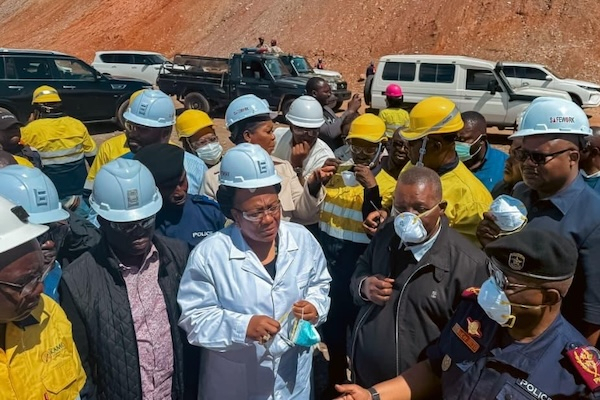
Congolese authorities have declared a radiological emergency at the T17 waste rock zone in Kolwezi, Lualaba province, after radioactive materials were discovered at a site where artisanal miners were operating.
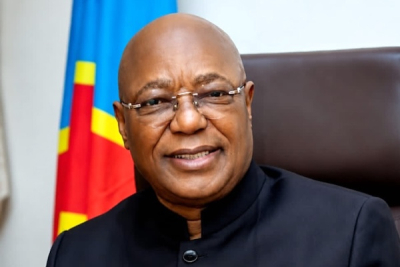
In a statement released on March 23, 2026, Higher Education and Scientific Research Minister Sombo Ayanne Safi Mukuna Marie-Thérèse, acting as the country’s nuclear regulator, warned of a major risk to public health, national security and the environment.
According to multiple media reports, the decision followed uncontrolled artisanal mining activities that exposed radioactive substances, potentially affecting nearby populations and ecosystems. Authorities said the measure aims to contain contamination, secure the site and protect exposed communities.
The government announced the deployment of specialized teams on site, along with experts tasked with assessing risk levels and implementing decontamination, protection and monitoring systems. It stressed the need for a rapid and coordinated response to prevent the situation from deteriorating.
Health risks well documented
Exposure to radioactive materials poses well-documented health risks. Ionizing radiation can penetrate biological tissues, damage DNA and lead to severe health effects, including cellular damage and long-term diseases. Exposure may occur through inhalation of contaminated particles, ingestion or prolonged contact—scenarios common in artisanal mining environments.
The emergency declaration aligns with international risk management standards, particularly those promoted by the International Atomic Energy Agency (IAEA), which emphasize preparedness, detection and rapid response to radiological incidents.
Authorities said they would mobilize the necessary resources, ensure transparency and coordinate response efforts. They also urged the public to strictly follow safety instructions, warning that even localized radioactive contamination can pose serious risks if left uncontrolled.
Boaz Kabeya