




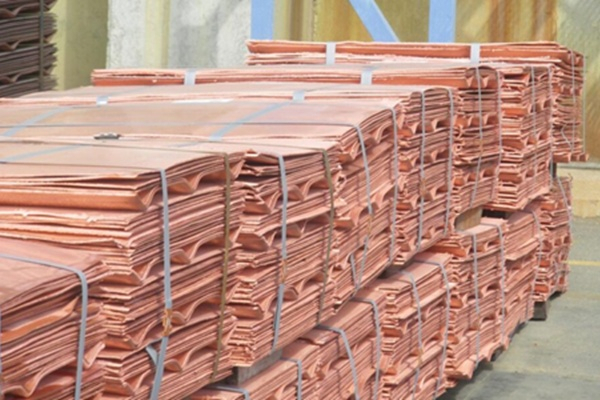
The Democratic Republic of Congo plans to tighten controls on mining exports to boost revenue collection. In a report published in January 2026, the International Monetary Fund said authorities want a more reliable assessment of export volumes, mineral content and moisture levels, which are critical for valuation and tax calculations.
The report highlights the revenue impact of inadequate oversight. “Studies show that our country loses nearly half of its potential mining revenue due to insufficient controls on volumes and the content of valuable metals,” authorities cited in the report said. To address these weaknesses, authorities said they want to increase mining revenue collection by limiting direct contact in the control process.
One measure involves deploying technical tools by March 2026 to strengthen physical inspections of export shipments, including truck weighing scales and computerized, non-intrusive quality control systems.
The reform also includes stronger analytical capacity. The IMF said authorities aim to secure approval from the Ministry of Mines by January 2026 to bring into operation a mineral analysis laboratory contracted by the tax authority (DGI).
The goal is to build technical capacity to support inspections and strengthen compliance more broadly. The report also points to efforts to improve the assessment of export characteristics, including moisture and mineral content, which affect declared values and tax obligations.
Beyond mining, the IMF report highlights the broader challenge of modernizing financial administrations and controls. It notes that tax audits currently deliver less than 15 percent of their potential revenue, as authorities seek to improve data cross-checking through automation and digitization.
Overall, the IMF said the approach combines stronger physical and analytical controls on mining exports with a shift toward more automated systems, with the aim of improving enforcement and securing revenue.
Boaz Kabeya