




The Democratic Republic of Congo's state-owned cobalt company, EVelution Energy, and commodity trading giant Trafigura signed a memorandum of understanding in Madrid on May 13, 2026, aimed at establishing a direct cobalt supply chain between the DRC and the United States.
Under the terms of the agreement, which remains subject to final contracts, Congolese cobalt hydroxide would be processed at EVelution Energy's planned refinery in Arizona, potentially covering around 40% of projected US cobalt demand. Expected to become the first commercial-scale cobalt refinery in the United States, the facility is designed to produce battery-grade cobalt sulfate and cobalt metal for the defense, aerospace, and electric vehicle battery industries.
Under the arrangement, the Entreprise Générale du Cobalt (EGC) would supply cobalt hydroxide as part of its government mandate in the DRC, while Trafigura would oversee logistics, trading, and transportation, including shipments routed through the Lobito Corridor. The broader objective is to create a shorter and more traceable supply chain that is less dependent on trading networks dominated by China.
The deal signals a shift in how Congolese artisanal cobalt is viewed by Western supply chains. Long considered difficult to integrate because of concerns surrounding traceability, child labor, and mining conditions, artisanal cobalt from the DRC is increasingly being treated by the United States as a strategic resource it wants to secure.
Created by the Congolese government in 2019, EGC holds the exclusive mandate to purchase, process, and market cobalt from artisanal mining operations. Through this agreement, the state company could gain direct access to the US market, provided it can meet strict standards on traceability, social responsibility, and regulatory compliance.
The move builds on the strategic minerals agreement signed between the DRC and the United States in December 2025. That deal included provisions aimed at positioning Congolese state-owned enterprises as reliable suppliers of critical minerals to the American market, amid intensifying global competition for cobalt, copper, lithium, and other strategic resources.
A stake in the value chain
While the agreement primarily aims to secure supplies for the United States, it could also create opportunities for the DRC. The parties are exploring support for local cobalt refining projects, technical training programs for EGC staff, and a possible minority stake for EGC in EVelution Energy or its refining infrastructure.
Although these elements remain preliminary, they reflect Kinshasa's broader ambition to move beyond its role as a raw material supplier. Congolese authorities are seeking to use growing American interest in cobalt to negotiate technology transfers, strengthen domestic industrial capacity, and secure a larger role further downstream in the value chain.
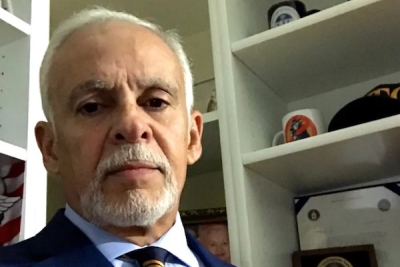
EGC chief executive Eric Kalala said the partnership represented an important structural step for the DRC. He added that the agreement could secure a higher-value market for artisanal cobalt production while facilitating skills transfers linked to American industrial expertise.
For now, however, the memorandum of understanding does not constitute a binding commercial agreement. Volumes, pricing structures, commercial conditions, and firm commitments remain under negotiation.
The project's success will depend on several factors, including EGC's ability to align artisanal production with international standards, the implementation of credible traceability mechanisms, the construction of EVelution's Arizona refinery, scheduled to begin in 2027, and the conclusion of legally binding commercial agreements.
Pierre Mukoko