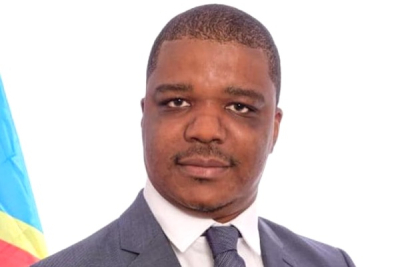






A delegation from SACOR, described as part of a Zambian group, met DR Congo’s Minister of Mines, Louis Watum Kabamba, on May 5, 2026, to present a solution for separating solid residues from water produced during ore concentration, material known in the industry as tailings. The delegation was led by Solange Kappongo, the company’s general manager in the DRC.
According to the ministry, the technology is intended to improve mining waste management by separating solids from water. The aim is to enable water reuse in industrial processes and improve the handling of solid residues at mining sites.
The technology relies on an established industrial process. Solid-liquid separation by centrifugation has long been used across several industries. The innovation lies mainly in its application to modern mining waste management, with the goal of reducing waste volumes, recovering process water and limiting environmental risks. On its website, SACOR claims water recovery rates of up to 85%.
The minister welcomed the initiative but urged caution before any rollout. Before large-scale implementation, Louis Watum Kabamba called for pilot tests to assess the solution’s effectiveness under local conditions. The ministry also said it would help connect SACOR with mining companies operating in the DRC.
For now, the discussions remain exploratory. No contract or pilot project has been announced. Available public sources do not confirm that the technology has been used at any specific mining site in Zambia.
The initiative comes as scrutiny over mining pollution in the DRC has intensified. In November 2025, Congo Dongfang Mining, active in cobalt processing, was implicated in an environmental incident in Lubumbashi after a tailings pond ruptured. The discharge of contaminated water affected rivers, soil and several outlying neighborhoods. The company was later ordered to pay about $12.6 million and carry out remediation measures.
Against that backdrop, SACOR is seeking to tap demand for better mining waste treatment in Congo’s mining sector, including reduced water use, improved waste handling and lower risks for surrounding communities. But any future presence in the market will depend mainly on the results of pilot tests and the interest of mining operators.
Ronsard Luabeya