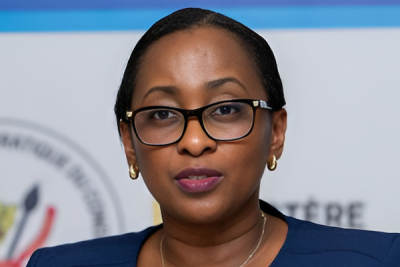





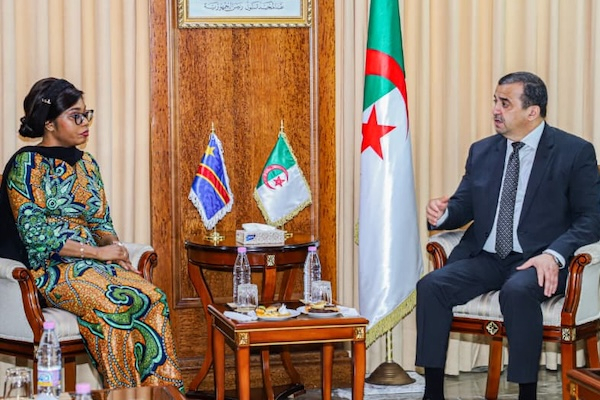
The Democratic Republic of Congo (DRC) is seeking to strengthen its capacity to manage and use petroleum data, with support from Algeria. The objective forms part of a memorandum of understanding signed on May 30, 2026, in Algiers by Acacia Bandubola Mbongo, the DRC's minister of hydrocarbons, and Mohamed Arkab, Algeria's minister of energy and mines.
According to a statement from the Congolese Ministry of Hydrocarbons, the agreement is intended to deepen cooperation between the two countries in the hydrocarbons sector. Kinshasa aims to draw on Algeria's experience in developing a modern petroleum database that meets international standards.
For the DRC, improving the storage, management and use of industry data is a strategic priority. Reliable geological and petroleum information remains a key factor in attracting investment to the sector.
The agreement follows discussions that began several months ago. Congolese authorities said exchanges between the two countries started in November 2025 in Brazzaville on the sidelines of a meeting of the African Petroleum Producers' Organization (APPO), eventually leading to the signing of the agreement in Algiers.
Broader cooperation agenda
Beyond petroleum data management, the DRC has identified several areas for cooperation with Algeria. These include the marketing of oil blocks, efforts to attract investment, improved management of petroleum data, stronger oversight of the upstream sector and workforce training.
Kinshasa also wants to expand technical cooperation between the National Hydrocarbons Company of Congo (Sonahydroc) and Algeria's Sonatrach, one of Africa's largest oil and gas companies. The scope of the partnership, its implementation timetable and the projects involved have not yet been disclosed.
The initiative comes as the DRC continues efforts to reform its petroleum sector and improve its attractiveness to investors. In 2025, the government launched a review of the country's hydrocarbons law after identifying several barriers to investment, particularly following challenges encountered during the licensing round for 27 oil blocks launched in 2022.
Among the issues identified were a lack of recent geological data, the need to modernize technical documentation and the importance of improving the security of information provided to investors.
Against this backdrop, cooperation with Algeria could help the DRC better organize its petroleum data resources and strengthen the credibility of future licensing campaigns. The memorandum signed in Algiers nevertheless remains a framework agreement. Its impact will depend on how it is implemented, the resources allocated and the projects ultimately carried out by both parties.
Boaz Kabeya