




The Democratic Republic of Congo has begun implementing a Health Promotion Tax (TPS), aimed at strengthening financing for the country’s Universal Health Coverage program.
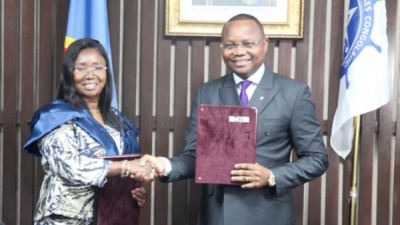
A joint ministerial order setting out the tax’s implementation was signed on Jan. 21, 2026, by the finance and health ministers and published in the Official Gazette on Feb. 3, 2026. The order took effect upon signing and implements a decree issued on July 17, 2025, establishing the tax.
The TPS is set at 2% of the customs value of imported goods, calculated on a cost, insurance and freight (CIF) basis. It applies to all goods subject to import duties and taxes, except for explicitly exempt categories. The tax covers only goods declared for permanent domestic consumption. Goods in transit, held in bonded warehouses, or placed under other suspensive customs regimes are excluded.
Exemptions include basic necessities, agricultural inputs and equipment, pharmaceutical products and inputs, medical devices, and raw materials imported by local pharmaceutical manufacturers. Goods already exempt under existing laws and regulations are also excluded. The Official Gazette annexes set out these categories in detailed tariff lists.
The General Directorate of Customs and Excise (DGDA) is responsible for collecting the TPS under the same conditions as standard customs duties. The customs officer at the relevant office calculates the amount due based on the goods declaration. Oversight is jointly handled by the Health Promotion Fund (FPS) and the DGDA, with collected amounts paid directly into the FPS account.
Broader financing strategy
The measure reflects the authorities’ effort to mobilize additional domestic resources for the health sector amid rising financing needs. In July 2025, Health Minister Roger Kamba said the mechanism was intended in part to reduce reliance on Treasury allocations, which are often disrupted by competing budget priorities, particularly security spending.
A second financing mechanism has also been approved following consultations with social partners. It sets a 2.5% health contribution on gross salary, split between employees (0.5%) and employers (2%). For a gross monthly salary of $130, this amounts to $0.65 from the worker and $2.60 from the employer.
Authorities are counting on both mechanisms to place Universal Health Coverage financing on a more sustainable footing. The program, launched in September 2023, initially covers free maternity care and newborn services, with gradual expansion to additional benefits planned.
Ronsard Luabeya