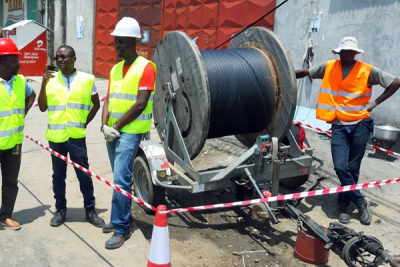






In Goma, North Kivu province, importers of petroleum products are alleging major discrepancies in customs duties at the Grande Barrière border crossing. The situation, reported by Radio Okapi, is fueling tensions in a local market already weakened by ongoing insecurity.
According to industry operators, import duties on a 40-cubic-meter fuel tanker can reach about $11,500 for some importers. Others, however, reportedly pay around $7,000 for a similar shipment.
The reduced rates reportedly benefit only a small number of operators. According to information reported by Radio Okapi, five importers out of roughly 40 active in the sector receive these reductions.
Importers who say they are disadvantaged argue that the system creates an uneven playing field. They say service stations supplied by operators benefiting from the reductions can sell gasoline at about 3,000 Congolese francs per liter, while others struggle to remain competitive.
The disparity in import costs is directly affecting the margins of operators that do not receive the reductions. Several industry participants say it is becoming increasingly difficult to continue importing fuel directly under current conditions.
Threat to the Sector
In this context, some operators are considering scaling back their activities. Others are opting to lease their service stations or are gradually withdrawing from the importation of petroleum products.
The allegations come while Goma remains under the control of AFC-M23 rebels. Petroleum operators attribute the disparities to the de facto authorities running the city. The rebel group has not yet provided a detailed response to those accusations.
Beyond the fuel sector, Radio Okapi reports that similar complaints have emerged in other import industries, including rice, sugar, flour and cement. The operators concerned also allege unequal treatment that they say could favor certain businesses at the expense of others.
For petroleum product importers, the issue extends beyond taxation alone. They warn that the sector could suffer long-term damage if import rules are not applied uniformly. In a city where fuel remains essential for transportation, trade and daily activities, such market distortions could further heighten tensions in the local market.
Ronsard Luabeya