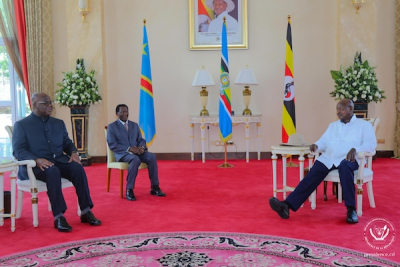





East African Community heads of state have set a June 30, 2026 deadline to eliminate remaining non-tariff barriers. The decision was made at the 25th Ordinary EAC Summit, held on March 7 in Arusha, where leaders reaffirmed their commitment to accelerate regional economic integration by removing obstacles that continue to hinder trade among partner states.
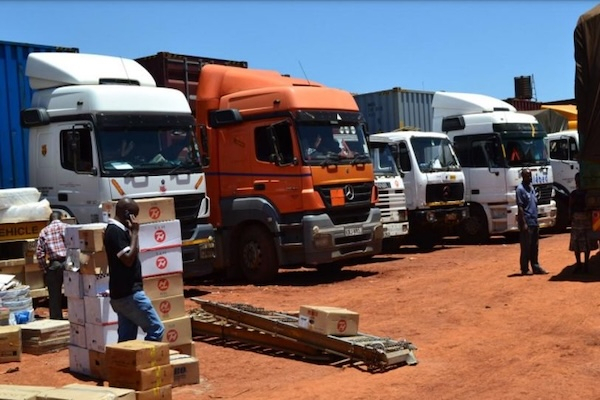
Non-tariff barriers are trade constraints other than customs duties. They include cumbersome administrative procedures, unharmonized technical or sanitary controls, delays in issuing permits, market access restrictions and complex customs formalities. A TradeMark Africa study found that these barriers increase costs, cause delays and create uncertainty for businesses, reducing the competitiveness of regional trade.
Data from the EAC Secretariat show that intra-EAC trade reached $4.8 billion in the third quarter of 2025, up 15% from the same period in 2024. Despite this growth, it still accounts for roughly 15% of the bloc’s total trade. By contrast, trade with the rest of Africa reached $10.1 billion, or 32.2% of the total, suggesting that the region’s trade flows remain more outward-oriented than focused on the East African common market.
Integration ambitions vs. persistent obstacles
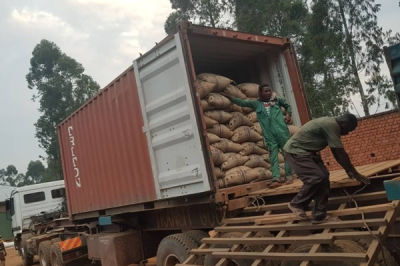
This contrasts with the EAC’s stated ambitions. The bloc has pursued phased integration based on a customs union, a common market and, ultimately, a monetary union and political federation. Non-tariff barriers remain a major obstacle, particularly in the agricultural and agri-food sectors, which are often disrupted by administrative and regulatory bottlenecks between member states.
Recent tensions between Kenya and Uganda highlight these challenges. Ugandan media reported in 2025 that persistent restrictions on certain Ugandan dairy products entering the Kenyan market, including blockages and delays linked to import permits, disrupted supply chains in Uganda. The disruptions affected the entire value chain, from processors to producers, in a country with around 168 processing units and nearly four million liters of daily milk production.
In response, Ugandan operators have sought alternative markets outside the bloc. Nigeria has shown interest in importing up to 200,000 metric tons of Ugandan powdered milk, in a deal estimated at more than $1 billion. This shift toward external markets shows how internal barriers within the EAC can redirect trade flows away from the region.
The June 30, 2026 deadline will test the EAC’s credibility. Beyond the announcement, its effectiveness will depend on member states aligning national practices with regional commitments and delivering a more fluid common market in practice.
Timothée Manoke