




Trucks carrying agricultural products can spend up to a full day waiting for phytosanitary clearance at some East African border crossings, increasing costs and slowing regional trade. The East African Community (EAC) is now seeking to harmonize inspection procedures across its member states to reduce those delays.
Experts from the bloc’s eight member countries met in Kampala to finalize common frameworks for phytosanitary risk analysis and standard operating procedures.
The discussions focused on four agricultural products regarded as priorities for regional trade: soybeans, groundnuts, pineapples and avocados. The aim is to reduce delays and border formalities while maintaining safeguards needed to prevent the spread of plant pests and diseases.
The technical workshop was held in the Ugandan capital from May 26 to May 29, 2026. It brought together phytosanitary experts, agricultural regulators and public policy specialists from Uganda, Kenya, Tanzania, Rwanda, Burundi, South Sudan, Somalia and the Democratic Republic of Congo.
The harmonized frameworks developed in Kampala must still be submitted to the EAC’s relevant sectoral bodies responsible for agriculture and food security before they can be adopted and implemented across the region.
Regional Trade
For the EAC, the issue is both economic and sanitary. According to David Wafula, coordinator of the Comprehensive Africa Agriculture Development Programme at the EAC, agricultural products account for about 65% of trade within the bloc. Harmonizing inspections in the sector could therefore help lower logistics costs and accelerate trade flows.
Exporters currently face differing requirements depending on the countries through which their goods transit.
These differences in inspection procedures create delays, increase costs and sometimes lead to disputes at border posts.
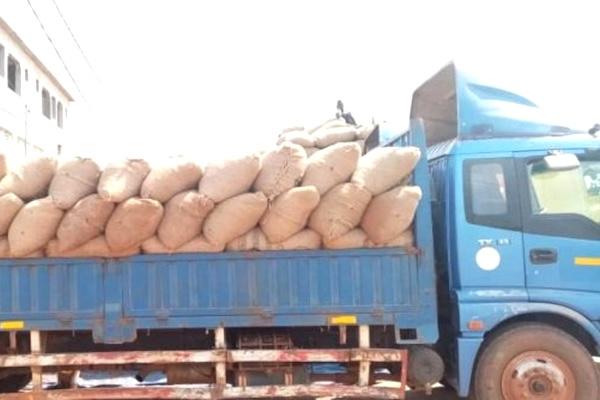
The Namanga border crossing between Kenya and Tanzania illustrates these challenges. About 350 trucks are estimated to pass through the crossing each day. Without harmonized procedures, a truck can remain stranded for an entire day before receiving clearance to continue its journey. The goal is to reduce that delay to about two hours through the application of common rules.
The new procedures are intended to provide common reference standards for inspectors operating at border crossings. They are designed to limit arbitrary decisions, reduce unnecessary interactions between operators and inspection services, and make requirements more predictable for exporters.
Phytosanitary Risks
The process is also based on the principles of the World Trade Organization and the International Plant Protection Convention. Experts from the member states were asked to document the pests and diseases already present in their territories.
The aim is to prevent countries from imposing quarantine measures against pests that are already established within their borders, which could constitute unjustified technical barriers to trade.
Some restrictions will nevertheless remain necessary when the risk is considered high. Experts cited the movement of banana suckers as an example, noting that it may be restricted to prevent the spread of Banana Bunchy Top Virus, a disease capable of causing significant losses in plantations.
For example, an avocado exporter from the Democratic Republic of Congo shipping produce through Uganda before reaching the ports of Mombasa or Dar es Salaam could eventually benefit from inspection criteria that are more predictable and better aligned among the countries along the route. The objective is to reduce administrative delays without weakening phytosanitary protection.
The initiative is part of a broader EAC strategy to reduce non-tariff barriers to regional trade. Leaders of the bloc have set June 30, 2026, as the deadline for resolving the barriers that remain in place.
The harmonization of phytosanitary inspections is therefore seen as an important technical measure to facilitate agricultural trade. Its success will depend on the formal adoption of the proposed frameworks, the training of inspectors and the effective implementation of the new procedures at the region’s main border crossings.
Timothée Manoke