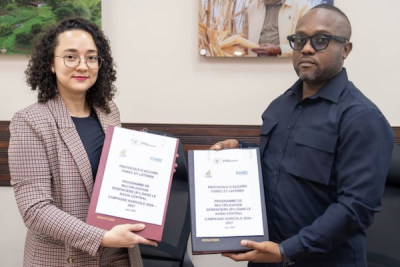





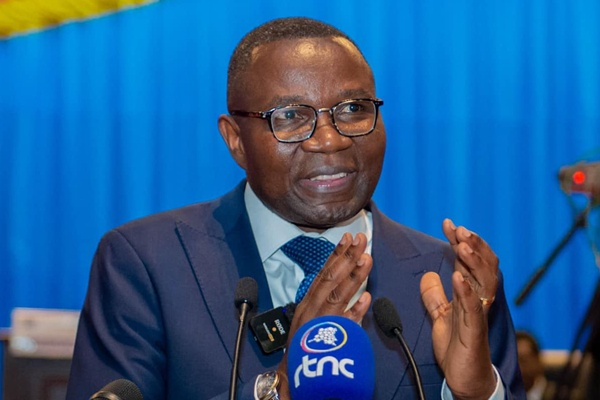
The Democratic Republic of Congo’s Ministry of Foreign Trade has announced the signing of several ministerial decrees extending temporary import restriction measures. The renewal, valid for 12 months, is part of a national strategy to reduce import spending and protect local production, which the government presents as a way to strengthen the Made in Congo initiative.
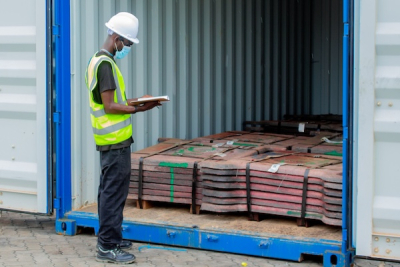
The decrees specify which parts of the country are affected by these restrictions. In western DRC, the measures apply to earthenware and tiles, iron bars, ethyl alcohol, as well as low-voltage copper electrical conductors and cables. In the south-east, they cover stainless steel cathodes, liquid and powder detergents, and low-voltage copper electrical conductors. In the south, they concern copper and aluminium electrical conductors, unarmoured cables, copper and lead anodes, and rigid polyethylene tubes and pipes. For imports of beer and soft drinks, the ban applies nationwide.
Impact of the measures
Foreign Trade Minister Julien Paluku said these measures have already produced tangible effects. In an interview in June 2025, he reported a sharp drop in tile prices on the Kinshasa market, which he attributed to an increase in local production. The government also says that certain products that were previously imported are now being exported. Copper electrical cables manufactured in the DRC are shipped to several countries in the region, including Tanzania, Kenya and Zambia. In 2025, the ministry also said that Saphir Ceramics, located in western DRC, exported around 300,000 square metres of tiles per month to Congo-Brazzaville.
Several local companies are directly affected by these new measures, which extend an existing protection framework. Proton, part of the Rawji Group, produces electrical cables in the western zone. Mining Engineering Services (MES) manufactures copper electrical cables in Lubumbashi, in the south-east. Fameco operates in iron bar production in the west. Brewing companies and soft drink producers, including Bralima, Bracongo, Brasimba and Varun Beverages, which manufactures Pepsi in Kinshasa and is developing a production unit in Lubumbashi, are also among the potential beneficiaries.
Timothée Manoke