




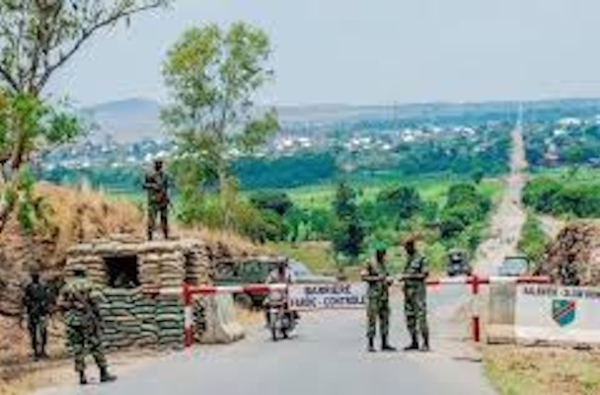
The Bukavu-Uvira section of National Road No. 5 (RN5) reopened to traffic after nearly a month of closure. Traffic resumed on June 12, 2026, at Luvungi, where several vehicles had been stranded for weeks.
According to local sources, trucks, buses and cars that had been blocked on the route were able to continue their journeys after the restrictions were lifted. The reopening ends another period of disruption on one of South Kivu's most strategic road corridors.
The closure was ordered in mid-May for security reasons. Traffic was halted at Luvungi on the orders of South Kivu's interim governor, Jean-Jacques Elakano. The measure was intended partly to prevent traffic from moving between AFC/M23-controlled areas and government-held territory.
The decision took effect on May 15, leaving many travelers and vehicles stranded. The June 12 reopening came after 28 days of disruption, in a context where movement along the route remains closely tied to the security situation in the province.
During the closure, civil society groups, local elected officials and several economic stakeholders warned of its impact. They cited difficulties supplying markets, rising transport costs and restrictions on travel between Bukavu, Uvira and communities in the Ruzizi Plain.
Provincial lawmaker Jackson Kalimba had called for the urgent reopening of RN5, saying the closure was worsening conditions for residents and economic operators. Local stakeholders say the road remains essential for transporting goods, agricultural products, fuel and consumer items.
Vulnerable Corridor
The closure was not an isolated incident. Between March and early April 2026, the Bukavu-Uvira route had already experienced a prolonged traffic disruption. According to sources, that earlier closure lasted between about two weeks and nearly four weeks before traffic gradually resumed.
Even after traffic resumed, several road users continued to report difficulties crossing the route, the presence of barriers and constraints linked to the security situation. The return of traffic therefore did not amount to a lasting return to normal conditions.
RN5 remains a vital corridor for South Kivu. It directly links Bukavu and Uvira, two of the province's main economic and administrative centers, in a region where transport alternatives remain limited.
The corridor supports a significant share of trade in the southern part of the province. Any disruption quickly affects the movement of people, the transport of agricultural products, market supplies and commercial activity.
The June 12 reopening therefore brings immediate relief to transporters, traders and travelers. It also highlights the continuing vulnerability of transport infrastructure in eastern Democratic Republic of Congo.
As long as insecurity continues to affect areas crossed by or connected to the route, traffic on RN5 will remain exposed to repeated disruptions, with direct consequences for the local economy and residents' daily lives.
Boaz Kabeya