




Several opposition parties in the Democratic Republic of Congo called a "dead city" strike in Kinshasa on Tuesday to protest a constitutional revision project backed by the ruling coalition, which critics say could allow President Felix Tshisekedi to remain in power beyond his second term, due to end in 2028.
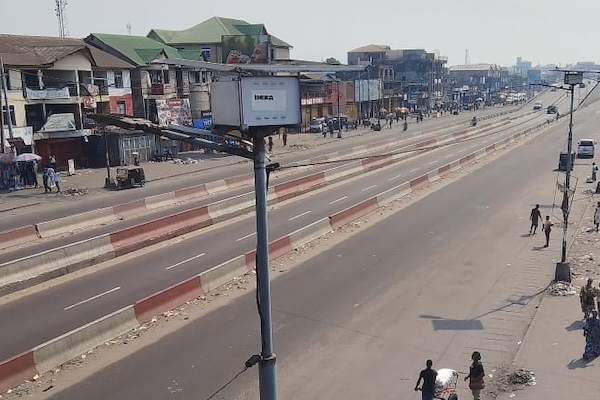
The strike call led to a visible slowdown in economic activity across parts of the Congolese capital, though it fell short of a complete shutdown.
From the early morning hours, commercial activity varied by district. At Kinshasa's central market, commonly known as "Zando," a number of traders chose not to open their stalls, citing caution and concerns about low foot traffic or possible unrest.
In the Limete commune, businesses remained open but saw significantly fewer customers than usual. Traders reported a decline in customer traffic, leading to lower sales and slower trading activity.
Transport disrupted
Transport was also affected, though unevenly across the city. Some bus and taxi services continued to operate, but demand was irregular and services ran less frequently in certain areas.
Traffic on several major roads appeared lighter than on a normal working day, reflecting a degree of caution among residents. Traffic remained relatively steady on some key thoroughfares, however.
On Boulevard Lumumba, traffic flow remained consistent, with the usual presence of vehicles and motorcycle taxis. In the Gombe commune, the city's administrative and business hub, activity was below normal, with relatively few people visible in public spaces.
City authorities had urged residents to go about their daily activities as usual. Schools, public services and transport networks had all been encouraged to remain fully operational.
Ronsard Luabeya