




DR Congo's freight regulator OGEFREM is preparing to launch construction of two inland dry ports in Songololo and Kenge as part of efforts to improve cargo flows along the country's main logistics corridors.
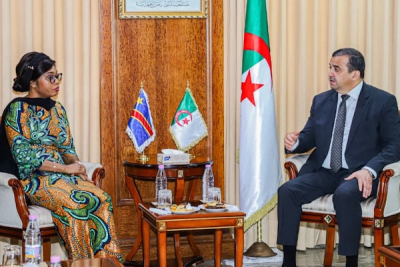
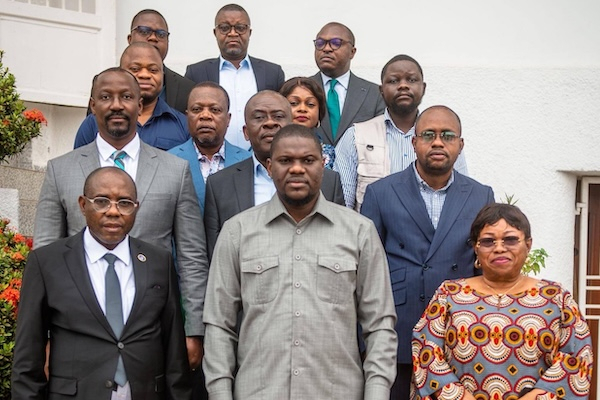
The announcement was made on May 27, 2026, during a field mission by OGEFREM acting director general Emmanuel Mayele Samba to Kongo Central province. According to a statement from the provincial governorate, Mayele Samba met Governor Grâce Nkuanga Masuangi Bilolo in Matadi to review the projects.
The discussions focused on preparations for the construction launch of the two facilities. The dry ports are expected to facilitate the movement of goods, particularly along the corridor linking Matadi to Kinshasa.
According to the Congolese Press Agency (ACP), the projects form part of OGEFREM's strategy to improve multimodal freight management and reduce disruptions on the country's main logistics routes.
The projects are intended to lessen the impact of heavy freight traffic in chronically congested areas. Dry ports can serve as hubs for the storage, processing and redistribution of cargo, complementing traditional seaport infrastructure and helping ease pressure on transport networks.
Key details still pending
The projects come against a backdrop of severe disruptions along the Kinshasa-Matadi corridor, the Congolese capital's principal supply route. In May 2026, rehabilitation works on sections of National Road 1 (RN1) triggered major slowdowns affecting the movement of goods between the port of Matadi and Kinshasa.
In response, the government announced several measures to improve traffic flow, including accelerating bypass works in the most congested areas, strengthening security around construction sites and examining mechanisms to reduce transit times at toll checkpoints.
Technical and financial details of the two dry port projects have yet to be disclosed. Authorities have also not provided a timeline for the start of construction, the planned capacity of the facilities, their financing structure or the operators expected to participate in their development.
Ronsard Luabeya