




The governor of Tshopo province, Paulin Lendongolia Lebabonga, has suspended construction work in the Tshopo River bend, a forested area on the outskirts of Kisangani. The decision followed repeated warnings from environmental organizations and civil society groups about a housing project in an area NGOs say is critical to the city’s environmental protection and hydropower infrastructure.
The project, named “Batiambomake,” was approved under a decree signed on March 17, 2026. It provided for the development of 560 residential plots measuring 25 by 30 meters, along with 20 commercial parcels. Land clearing and plot demarcation had already begun before the suspension was ordered.
Located on the right bank of the Tshopo River, the Tshopo River bend covers about 400 hectares. According to NGO ADN-RDC, the reserve was established under colonial ordinance No. 304/AGRI, dated Sept. 9, 1953. It helps regulate the local climate, protect the Tshopo hydroelectric dam, and preserve water sources used by REGIDESO, the national water utility.
Facing mounting criticism, the president of the Tshopo Provincial Assembly, Matheus Kanga, convened a meeting on May 1, 2026, with several provincial officials, including the provincial minister in charge of land and the provincial directors of state-owned power utility SNEL and water utility REGIDESO. Officials also visited the site to assess conditions inside the reserve.
Several experts and environmental organizations have warned about the consequences of urbanizing the area. Professor Corneille Ewango, quoted by Singamwambe, said the project could increase erosion and silt buildup around the hydroelectric plant. NGO OCEAN also warned that the development could threaten the structural stability of the Tshopo bridge.
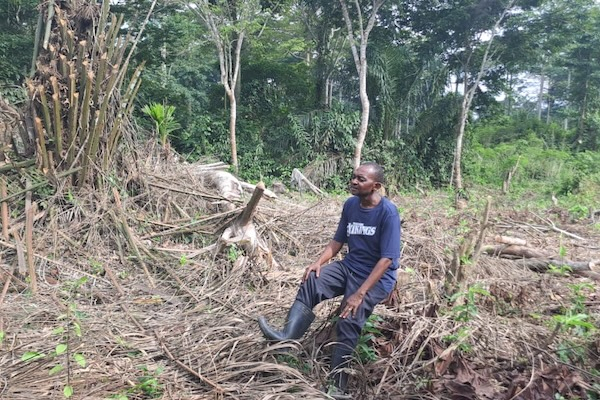
ADN-RDC said about 70% of the reserve is already illegally occupied, with deforestation, makeshift farms, encampments and moved boundary markers documented on the site. The organization called for an immediate halt to further development plans, investigations into the encroachment, and stronger legal protection for the area.
Boaz Kabeya